For years, the conversation around design systems has centered on delivery. Component libraries. Color tokens. Typography scales. Spacing guidelines. Documentation sites filled with screenshots and code snippets.
These things matter. But they miss the point.
A design system isn't a library of assets. It's a framework for making decisions faster, with more confidence, and less second-guessing.
At Oli & Hue, we see design systems as one of the most underrated strategic tools startups have. Not because they make products look consistent (though they do), but because they fundamentally change how teams work.
The Problem Most Teams Are Actually Trying to Solve
When startups reach out about design systems, the conversation usually starts the same way:
• Our product feels inconsistent.
• Different teams are designing things differently.
• We need to move faster but design is slowing us down.
These sound like design problems. But they're actually decision problems.
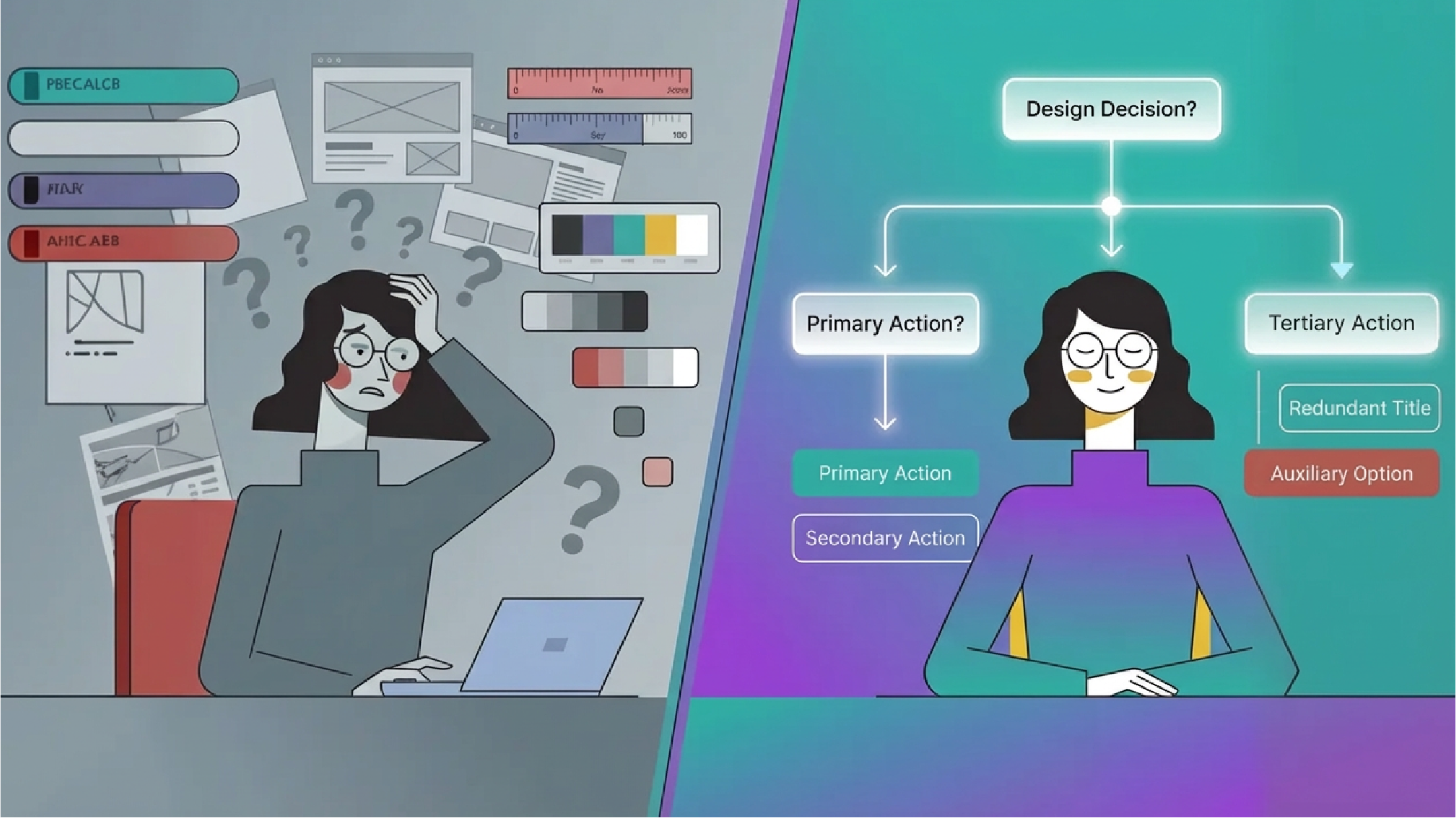
Every time someone creates a button, chooses a color, or builds a form, they're making decisions. Without a system, those decisions get made from scratch. Every. Single. Time.
That's not just slow. It's exhausting.
Design systems don't solve this by giving people pre-made buttons. They solve it by removing the need to make the same decision twice.
From "What Should This Look Like?" to "What Does This Mean?"
Most design decisions aren't actually about aesthetics. They're about meaning.
• Is this action destructive or constructive?
• Is this information primary or secondary?
• Is this state temporary or permanent?
• Is this content system-generated or user-created?
Traditional design approaches force teams to answer visual questions: "Should this button be blue or green? 12px or 14px? Rounded or sharp?"
Design systems reframe the question: "What is this button doing? Is it a primary action, secondary action, or destructive action?"
Once you know what it means, the design is already decided.
That shift from aesthetic judgment to semantic clarity is where speed comes from.
Decision Frameworks Reduce Cognitive Load
Every design decision carries cognitive weight.
Designers and developers spend mental energy debating spacing, evaluating colors, questioning hierarchy. Even small choices compound. By the end of a sprint, teams are decision-fatigued, and quality drops.

Design systems remove cognitive load by turning recurring decisions into patterns. Instead of debating button styles for the tenth time this month, teams reference the system and move forward. This isn't about restricting creativity. It's about reserving creative energy for problems that actually need it.
Spend less time debating button radius. Spend more time solving real user problems.
Why Documentation Alone Doesn't Work
Most design systems fail not because the components are bad, but because the documentation doesn't actually help people make decisions.
A typical design system doc might say: "Use Button Primary for primary actions." That's circular. It doesn't answer the hard question: What makes an action primary?
Effective design systems encode decision logic:
"Use Button Primary when:
• The action completes the current task
• The user expects this action to move them forward
• There's only one primary action per screen section
Use Button Secondary when:
• The action is optional or reversible
• Multiple actions exist at the same hierarchy level
Use Button Destructive when:
• The action permanently deletes data
• Confirmation is required before proceeding"
That's not documentation. That's a decision framework.
Now anyone, designer, developer, product manager, can make the right choice without asking for approval.
The Real ROI: Speed and Autonomy
Startups don't invest in design systems to look polished (though that's a nice side effect). They invest because speed matters, and decision bottlenecks kill momentum.
Without a system:
• Designers become bottlenecks reviewing every decision
• Engineers wait for design specs before shipping features
• Product teams debate visual details instead of solving user problems
• Onboarding new people takes weeks of context transfer
With a system:
• Teams make consistent decisions independently
• Engineers can build UI confidently without waiting for design
• Product ships faster with fewer review cycles
• New team members ramp up in days, not weeks
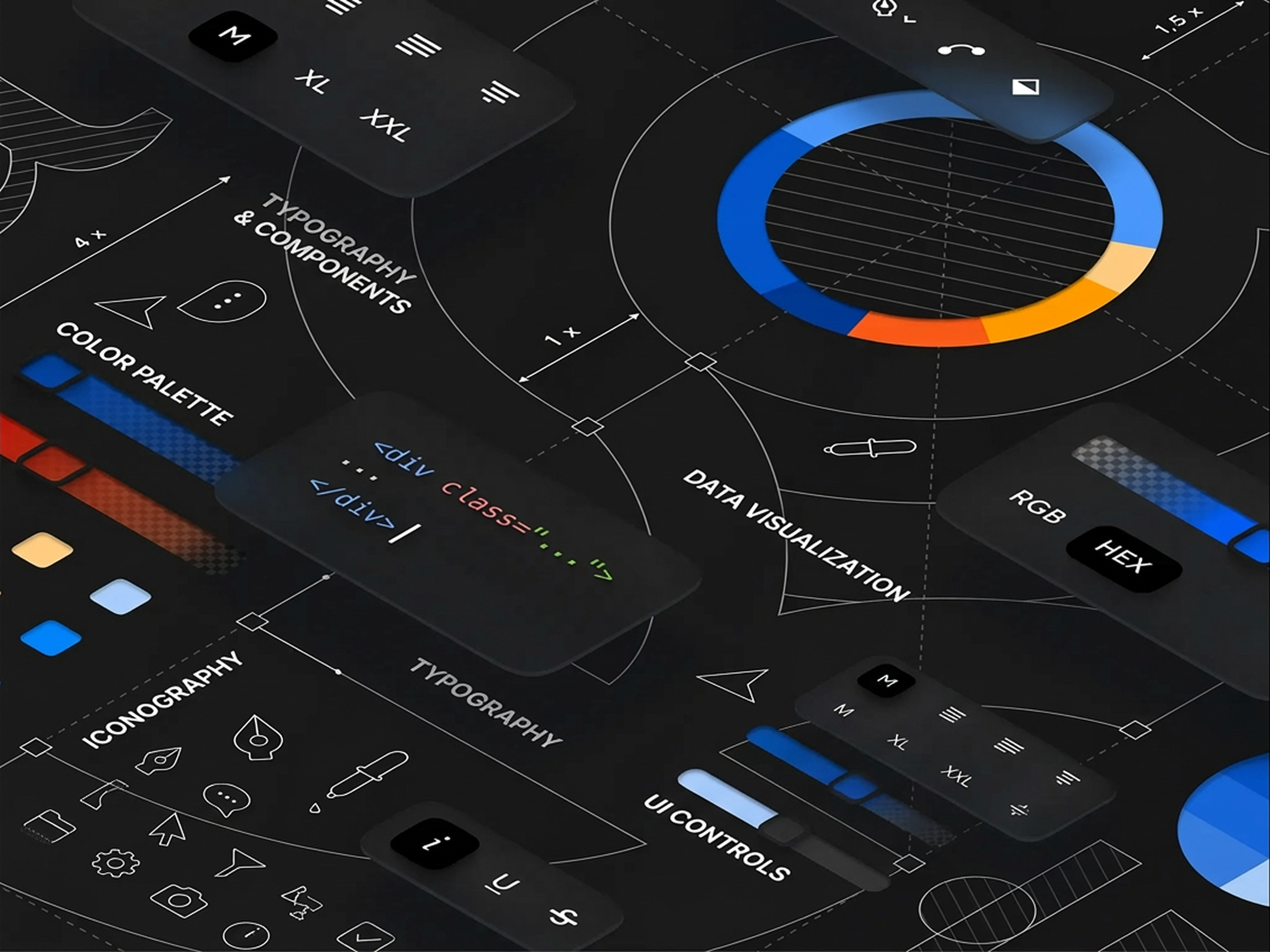
The ROI isn't cosmetic. It's operational.
Design Systems Evolve With Your Product (If Built Right)
Many teams treat design systems as one-time projects: build it, document it, lock it down.
That approach fails the moment the product evolves. Markets shift. User needs change. Products grow. A design system that can't adapt becomes a liability, forcing teams to work around it instead of with it.
Strategic design systems are built to evolve. They include governance models: who can propose changes, how decisions get reviewed, when exceptions are acceptable. They're living frameworks, not static documents.
At Oli & Hue, we don't just deliver design systems. We help teams build systems that grow with them flexible enough to adapt, structured enough to maintain consistency.
When You Actually Need a Design System
Not every product needs a design system. And building one too early can be wasteful.
You don't need a design system if:
• You're pre-product-market fit and iterating rapidly
• Your team is 1-2 designers working closely
• Your product is simple with limited UI surface area
You need a design system when:
• Multiple designers/developers are building features simultaneously
• Inconsistency is slowing you down or confusing users
• Onboarding new team members takes longer than it should
• You're rebuilding the same components repeatedly across features
• Design reviews are bottlenecking your velocity
The right time isn't when you want consistency. It's when inconsistency starts costing you speed.
Beyond Components: Systems of Thinking
The most valuable design systems go deeper than UI components. They encode principles, patterns, and decision-making logic across:
Interaction patterns: When to use modals vs slide-outs vs inline editing
Content patterns: When to be concise vs explanatory
Feedback patterns: How to communicate success, errors, loading states
Navigation patterns: When to use tabs vs dropdowns vs separate pages
These aren't visual guidelines. They're frameworks for thinking about problems consistently. When teams internalize these patterns, they don't just build faster. They build better, because decisions are grounded in shared understanding.
Design Systems Require Design Thinking
Here's where most teams get it wrong: they treat design systems like engineering projects.
"Let's build all the components, document them, and ship version 1.0."
That mindset creates static libraries, not decision frameworks.
Design systems require design thinking: understanding context, testing assumptions, iterating based on real use, and designing for adaptability. You can't build a useful design system by cataloging what exists. You have to understand why things exist, what problems they solve, and how teams actually make decisions. That's why design systems are strategic work, not just documentation work.
The Oli & Hue Perspective
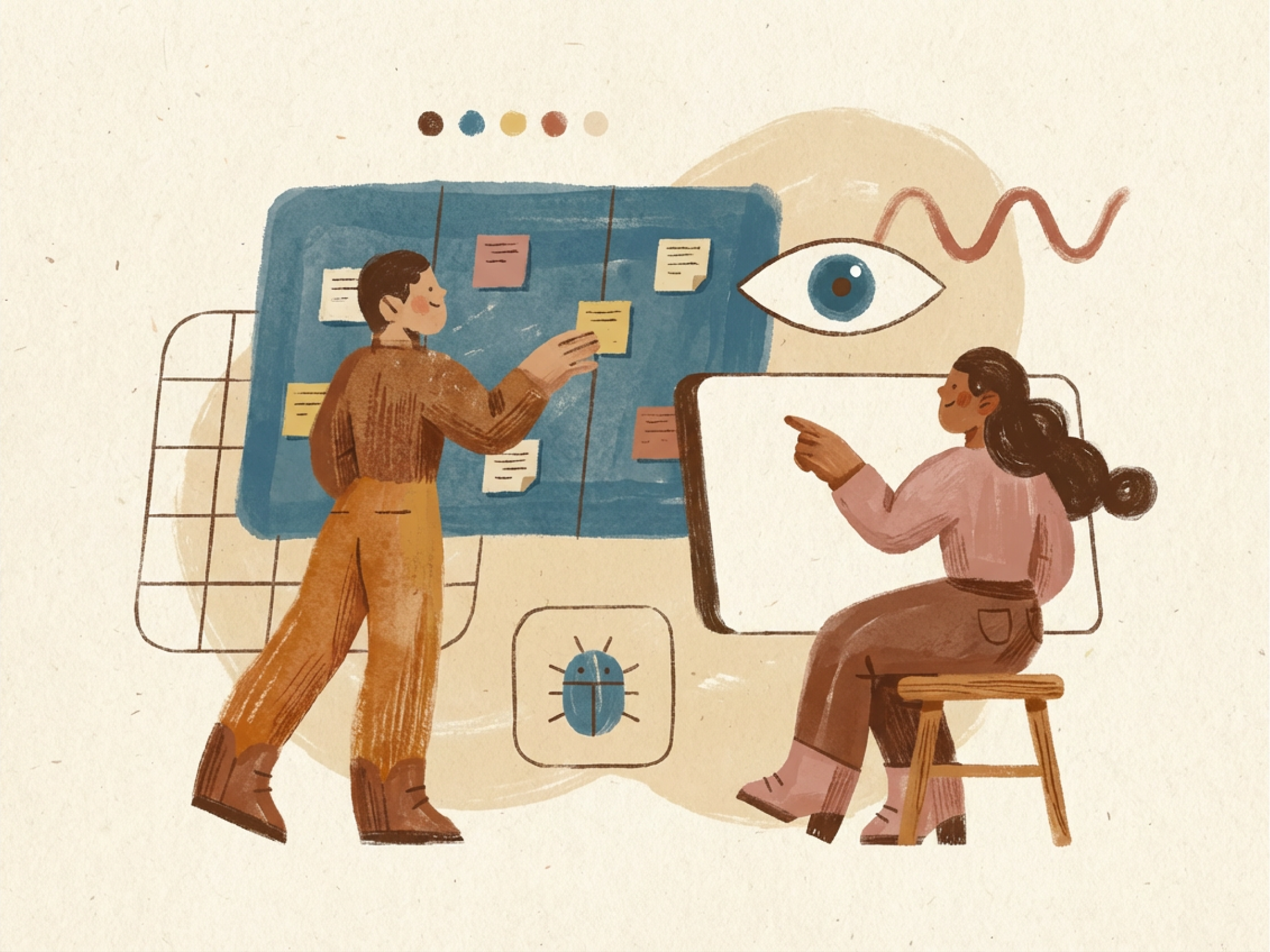
At Oli & Hue, we approach design systems the way we approach all design work: as a tool for clarity and momentum. We don't build design systems to make products look uniform. We build them to help teams work faster, make better decisions, and scale without chaos. Because the companies that win aren't always the ones with the prettiest components. They're the ones that can ship confidently, iterate quickly, and maintain quality as they grow.
Design systems enable that. Not through documentation, but through decision-making clarity. And that's where real velocity comes from.
Ready to build a design system that actually helps your team move faster?
Let's talk about how Oli&Hue can help.